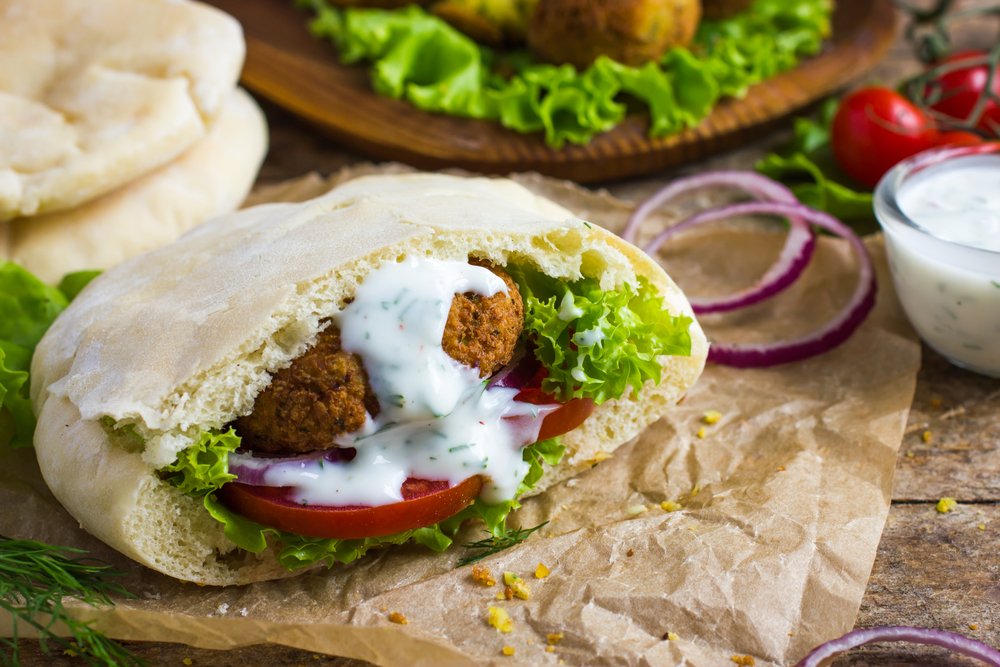
“But where do you get your protein?” If you have been vegetarian for more than about five minutes, someone has probably asked you this. Maybe it was a grandparent, a coach, or the friend who eats chicken nuggets at every meal. The good news: a well-planned vegetarian diet can give a growing teen all the protein she needs. The even better news: it is not complicated once you know how much you need and which foods do the heavy lifting.
This guide breaks down how much protein teens actually need, the best meat-free sources, and what a protein-smart day of eating can look like, with no calculator obsession required.
Why protein matters so much in your teens
Protein is made of building blocks called amino acids. Your body uses them to build and repair muscle, make hormones and enzymes, keep your immune system working, and grow hair, skin and nails. During the teen years you are still growing, so protein is part of the raw material for that growth. If you play sports, dance or run, protein also helps your muscles recover after training.
That said, more is not automatically better. Most teens in the U.S., including many vegetarians, already eat enough protein. The goal is not to chug shakes; it is to include a good protein source at most meals and snacks so your body has a steady supply.
How much protein do vegetarian teens need?
The Recommended Dietary Allowance (RDA) for teens ages 14 to 18 is about 0.85 grams of protein per kilogram of body weight per day. For an average-size teen, that works out to roughly 46 grams a day for girls and 52 grams a day for boys. Younger teens (ages 9 to 13) need about 34 grams a day.
Want to estimate your own number? Divide your weight in pounds by 2.2 to get kilograms, then multiply by 0.85. A teen who weighs 120 pounds (about 55 kilograms) needs around 47 grams of protein a day.
Some dietitians suggest that vegetarians, and especially vegans, aim a little above the RDA, because some plant proteins are digested slightly less efficiently than animal proteins. Very active teens and athletes may also need more. If you are an athlete, or if you are not sure whether you are getting enough, a registered dietitian can help you figure out a target that fits your body and your schedule.
The best vegetarian protein sources
Here are approximate protein amounts for common meat-free foods. Brands and recipes vary, so check Nutrition Facts labels when you can.
Beans, lentils and soy
- Lentils, 1 cup cooked: about 18 grams
- Black beans, chickpeas or kidney beans, 1 cup cooked: about 14 to 15 grams
- Edamame, 1 cup shelled: about 18 grams
- Tofu, ½ cup: about 10 to 20 grams, depending on how firm it is
- Tempeh, 3 ounces: about 15 to 17 grams
- Soy milk, 1 cup: about 7 to 8 grams
Beans and lentils are the superstars of the vegetarian plate. They are cheap, filling and full of fiber, iron and zinc too. If you need convincing, read our love letter to beans, the must-have vegetarian ingredient, or turn a can of chickpeas into a snack with our crispy roasted chickpeas recipe.
Dairy and eggs (if you eat them)
- Greek yogurt, 6 ounces: about 15 to 17 grams
- Cow's milk, 1 cup: about 8 grams
- Cheese, 1 ounce: about 6 to 7 grams
- Egg, 1 large: about 6 grams
Nuts, seeds and grains
- Peanut butter, 2 tablespoons: about 7 grams
- Almonds, 1 ounce (about 23 nuts): about 6 grams
- Hemp seeds, 3 tablespoons: about 9 to 10 grams
- Quinoa, 1 cup cooked: about 8 grams
- Whole wheat bread, 2 slices: about 7 to 8 grams
- Oatmeal, 1 cup cooked: about 6 grams
Notice that grains and even vegetables add up. A bowl of oatmeal, a sandwich on whole wheat bread and a side of broccoli all chip in a few grams each.
Do you need to “combine” proteins?
You may have heard that vegetarians have to pair specific foods, like rice and beans, at the same meal to get “complete” protein. That idea is outdated. Different plant foods have different mixes of amino acids, but your body keeps a pool of them to draw from throughout the day. As long as you eat a variety of protein foods over the course of the day and get enough total calories, your body can put the pieces together. The Academy of Nutrition and Dietetics notes that appropriately planned vegetarian diets are healthful and nutritionally adequate for all stages of life, including adolescence.
Soy foods (tofu, tempeh, edamame), quinoa, eggs and dairy happen to be complete proteins on their own, which makes them handy, but they are not required at every meal.
What a protein-smart vegetarian day can look like
Here is one example for a teen who eats dairy and eggs. The numbers are rounded.
- Breakfast: oatmeal made with soy or cow's milk, topped with a spoonful of peanut butter and banana slices (about 17 grams)
- Lunch: whole wheat wrap with hummus, ½ cup chickpeas, veggies and feta (about 18 grams)
- Snack: Greek yogurt with berries (about 15 grams)
- Dinner: lentil and vegetable chili with a slice of cornbread (about 20 grams)
That is roughly 70 grams of protein without a single protein bar. A vegan version could swap the yogurt for a soy yogurt or edamame and the feta for avocado or toasted seeds.
Smart tips for getting enough
- Build every plate around a protein. Before you pile on pasta or fries, ask yourself, “Where's the protein?” Beans, tofu, eggs, yogurt or nut butter should be part of most meals.
- Keep easy proteins on hand. Canned beans, frozen edamame, hummus, nut butter and shelf-stable tofu mean you are never stuck with a plain bagel.
- Upgrade your snacks. Trail mix, roasted chickpeas, string cheese or a smoothie with soy milk and peanut butter beat a bag of chips. Need ideas? See the smart way to snack.
- Don't forget the rest of the team. Foods that bring protein often bring iron and zinc too. Read up on iron for vegetarians and vitamin B12, which every vegetarian should know about.
- Eat enough overall. If you are not eating enough calories, your body may use protein for energy instead of building and repairing. Regular meals matter.
Signs you might want a second opinion
If you often feel tired, are getting sick a lot, are losing weight without trying, or your coach or doctor has concerns, it is worth checking in with a health professional. These signs can have many causes, and a doctor or registered dietitian can look at the whole picture, including iron, B12 and overall energy intake, not just protein.
The bottom line
Protein is one of the easiest nutrients to cover on a vegetarian diet. Most teens need somewhere around 45 to 55 grams a day, and beans, lentils, soy foods, dairy, eggs, nuts, seeds and whole grains can easily get you there. Focus on variety, include a protein food at most meals, and you can answer the “where do you get your protein?” question with confidence. For a full, teen-friendly guide to eating well without meat, check out The Smart Girl's Guide to Going Vegetarian.
This article is for general information and is not a substitute for advice from your own doctor or registered dietitian.